I’ll never forget the mix of excitement and uncertainty I felt when I first worked with an English Language Learner (ELL) student. Fresh out of my teaching program, I quickly realized my undergraduate studies hadn’t fully equipped me with the specific strategies crucial for supporting English Language Learners.
She was bright, eager, and full of ideas, but learning to read in a new language was a big challenge. There were moments of genuine frustration when she couldn’t decode a word, despite knowing its meaning orally. It wasn’t until we started breaking words down, sound by sound, that I saw a lightbulb go on. Working with her showed me just how important phonics instruction is for ELL students.
ELLs bring so many strengths to our classrooms. Phonics acts as a bridge, connecting their existing language knowledge with new literacy skills, giving them a clear path to access and understand printed text. With the right support, these students can flourish as readers and writers, just like all other students.
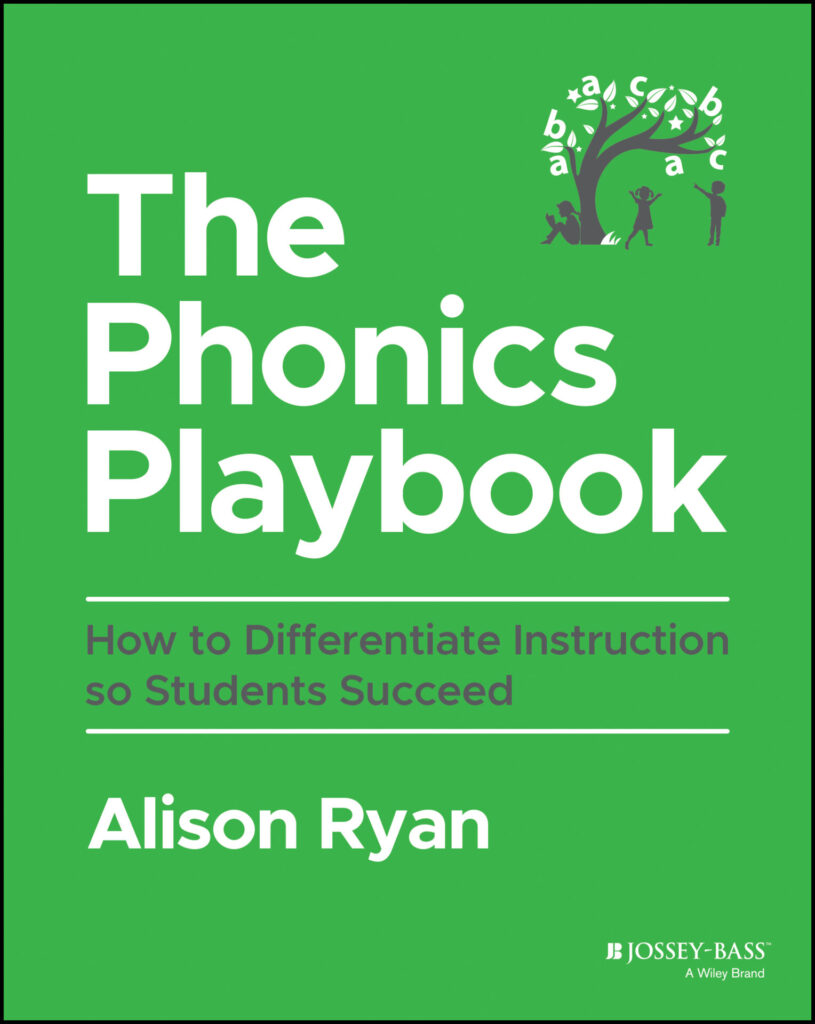
In this post, we’ll explore why phonics is so important for ELL students and how you can make your instruction more effective and supportive. I’ll be sharing practical tips and strategies from The Phonics Playbook, a resource designed to make phonics accessible for all learners.

Why Phonics Matters for ELL Students
Phonics provides students with a predictable system for decoding unfamiliar words. Whether a student has strong oral language skills or is still building basic vocabulary, phonics offers the structure they need to sound out words and comprehend what they’re reading.
For students for whom English is a second (or even third or fourth) language, this structure is particularly important. They’re often navigating new sounds, spelling patterns, and vocabulary simultaneously. Phonics instruction helps students make sense of written English, supporting both language acquisition and understanding of academic content.
Explicit instruction benefits all students, especially English Language Learners. When phonics routines are consistent and modeled well, students know what to expect, allowing them to focus more on applying what they’re learning. Over time, this builds confidence, fluency, and academic success.

Understand Your Students’ Language Needs
Before you can effectively support students with phonics, it’s helpful to understand their individual language strengths and challenges. Some students might understand spoken English but hesitate to speak, while others may express themselves well but struggle with listening comprehension.
Start by observing how students interact across different school activities:
- Do they follow directions?
- Do they need visual aids or peer models to understand?
- Can they respond in full sentences, or do they primarily use “yes” or “no”?
Quick check-ins during small group time can be very valuable. Prompts like “What did I just ask you to do?” can help you pinpoint whether the challenge is with receptive (understanding) or expressive (speaking) language.
While formal data like WIDA scores or other district language assessments can provide a starting point, informal observations during academic lessons, read-alouds, and phonics routines are equally valuable.
You don’t need a complicated system; simply tracking patterns in a notebook – like consistent hesitation with /th/ sounds or relying on visual cues for multi-step directions – can make your instructional decisions more responsive to each child’s unique needs.
Strategies for Supporting ELL Students with Phonics
Let’s look at some classroom strategies to help students who speak different languages thrive during phonics instruction. These suggestions are organized by receptive and expressive language support.
Receptive language is about what students can understand. This includes listening to directions, following along with a lesson, or making sense of new vocabulary.
Expressive language is how students communicate. This includes speaking, answering questions, or using new words in conversation.
Receptive Language Supports
- Keep Language Simple: Use clear, direct instructions. Avoid idioms or figurative language. State exactly what you mean so students can focus on the content rather than interpreting complex phrasing.
- Model with Visuals and Gestures: Use visuals, real objects, and gestures to reinforce meaning. For example, when introducing the word “dusting,” act it out and show how the word is broken into parts for decoding (base word “dust” + suffix “ing”).
- Teach Mouth Movements: Help students see and feel how sounds are made. Use mirrors so they can observe their own articulation. For instance, teach that /f/ is formed by placing the top teeth on the bottom lip.
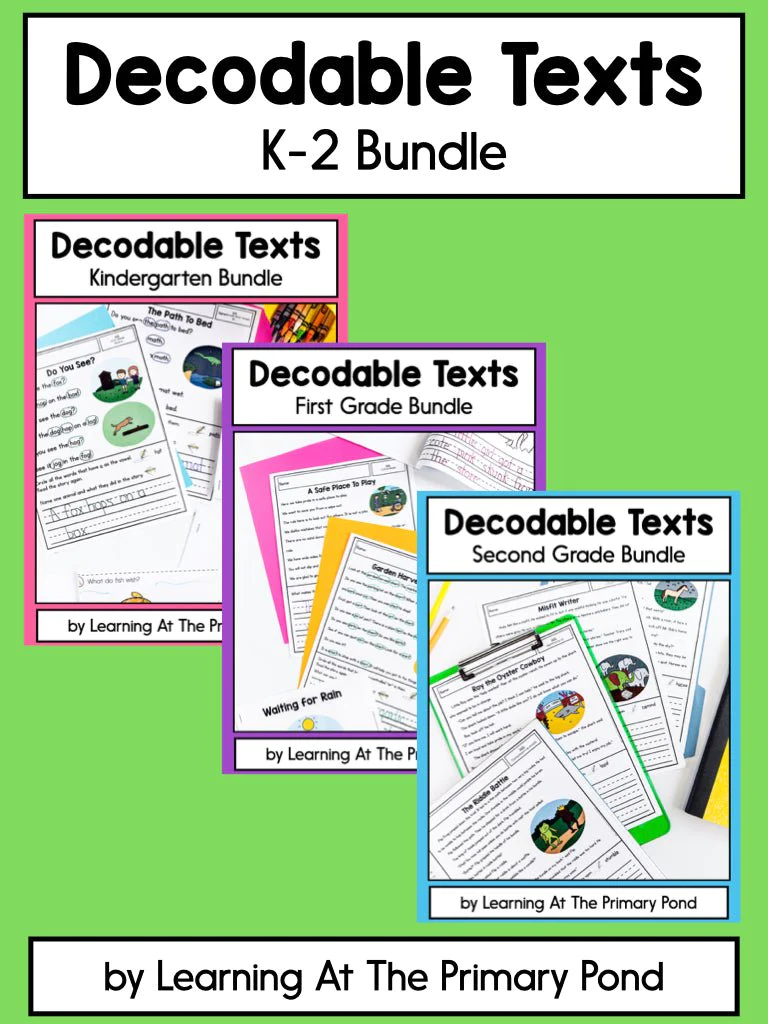
- Break Down Decodable Texts: Preview challenging vocabulary and sentence structures before reading. Frequently check comprehension (more often than you would with other students – which might mean breaking up the text into smaller chunks). Prompt students to explain what they read in their own words, providing oral sentence starters for support as needed.
- Explicitly Teach Key Vocabulary: Pre-teach two or three words per lesson that might hinder understanding. Use visuals, gestures, and context to help students remember their meaning. This is especially important for students with limited English proficiency.

Expressive Language Supports
- Use Sentence Starters: Provide simple language frames like “There are ___ vowels in ___” or “I agree that…” to support classroom discussions.
- Structure Peer Conversations: Use group work purposefully. Prompts like “Name a word with /sh/” give students a clear objective and structure during partner activities.
- Pair Students Strategically: Partner non-native English speakers with peers who can model fluent English. Use simple systems, like colored bracelets, to indicate who talks first.
- Encourage Talking Throughout the Day: Phonics time shouldn’t be silent! Use repetition, choral responses, and partner discussions to help students use new words in various ways.
Knowing which type of support your students need most can help you choose the right scaffolds during phonics instruction.
Gradually Remove Scaffolds
Remember, scaffolds are designed to support, not limit. As students gain skill and confidence, gradually begin to phase out supports like sentence frames and visual cues. The ultimate goal is independence.
Look for signs that a student is ready to take the next step. Perhaps they decode a new word without needing the sound wall, or they use a sentence frame unprompted. These are clear indicators that your phonics instruction is working and it’s time to offer a gentle push forward.
Challenging students, even in small ways, helps bridge achievement gaps and fosters long-term growth across all academic areas.
Phonics Support for ELL Students Beyond the Classroom
While strong phonics instruction is essential, it’s just one piece of the puzzle in helping English learners thrive. With an increasingly diverse student population in classrooms worldwide, supporting ELL families and creating truly welcoming school environments are also crucial.
Encouragement and connection are key. Celebrate small wins, like using a new sound correctly or reading a decodable sentence independently. These moments build confidence and motivation.
Family involvement also plays a critical role. Many ELL families want to help but may not know how. Offering simple, flexible ways to participate is crucial:
- Send home letter-sound cards with picture cues.
- Share games that can be played in the student’s home language.
- Invite families to contribute songs, stories, or books from their culture.
- Offer videos or one-page handouts to explain how to support sound practice at home.
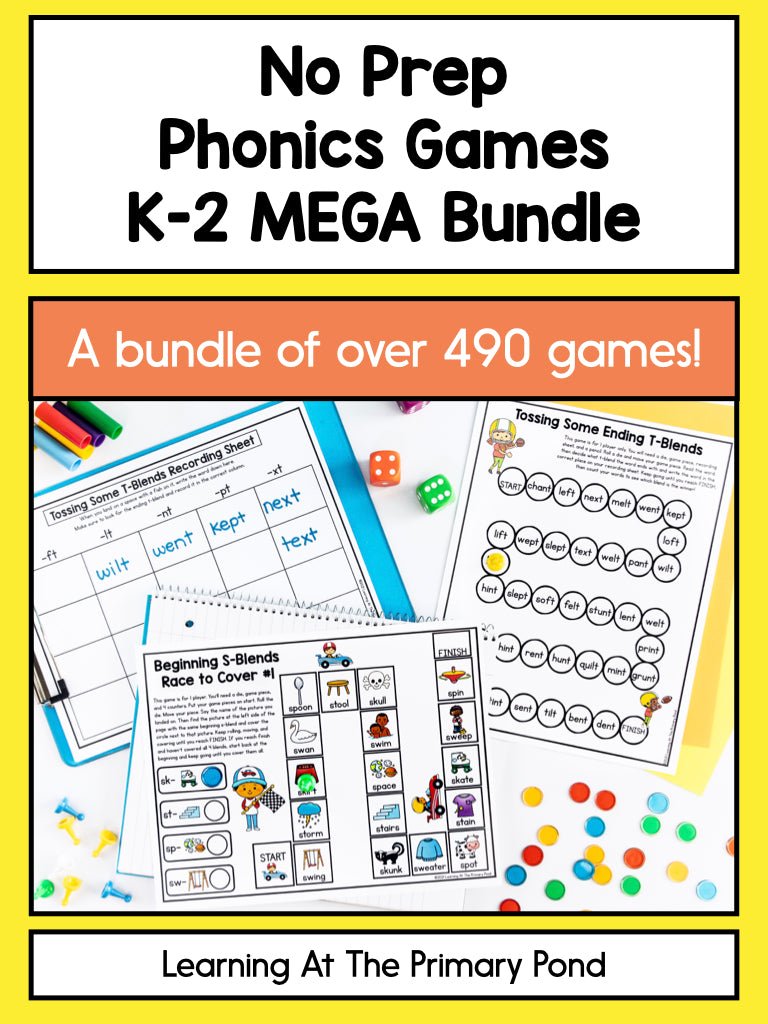
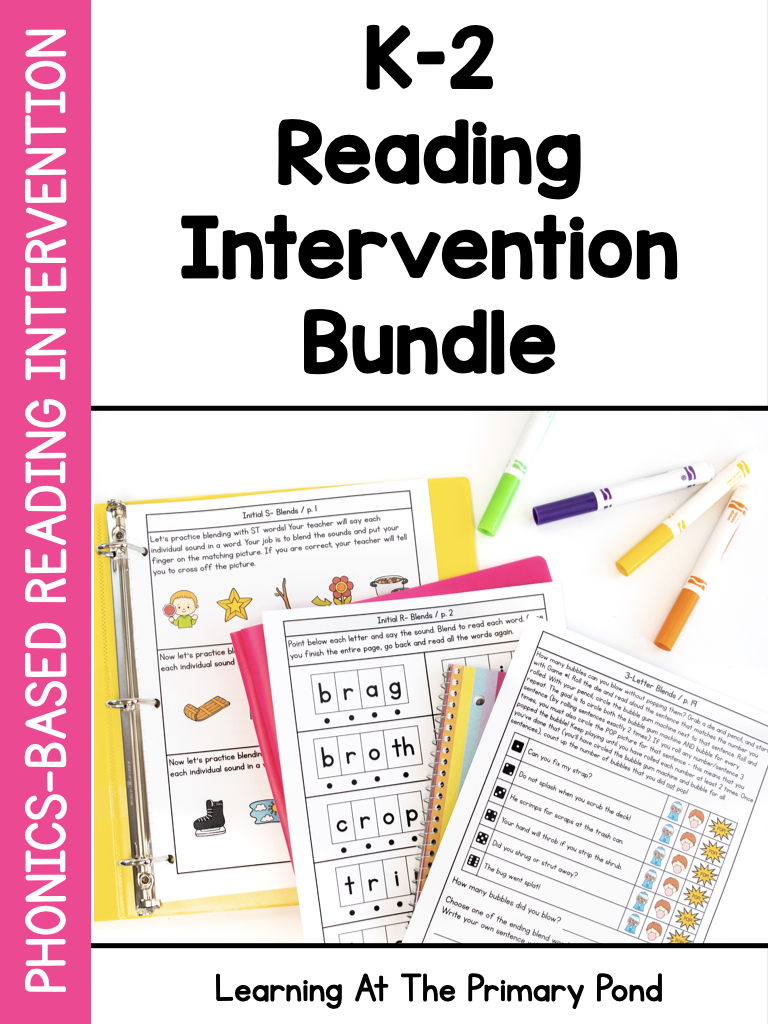
- Use ready-made resources like Blends and Digraphs Worksheets and Family Literacy Games. These printable activities are easy to send home and designed to support decoding skills in a fun, family-friendly way.

These types of outreach strengthen the bridge between home and school. They demonstrate that families are essential partners, not just guests, in their child’s learning journey.
For more family-friendly ideas and research-based information, the Colorín Colorado website (an educational service of WETA and a partner of the U.S. Department of Education) is an excellent resource.
A Resource That Brings It All Together
Many of the strategies in this post come from The Phonics Playbook, a resource filled with tools, visuals, routines, and best practices for supporting all students—including those learning English as a second language.
Whether you’re new to working with ELLs or simply want to feel more confident during phonics time, this resource provides what you need to make instruction meaningful, supportive, and effective for every learner.

Ready to feel confident supporting your multilingual learners? Grab The Phonics Playbook here! You’ll find tools, visuals, and strategies to help make phonics instruction stick for every student.
Happy Teaching!
References
Ryan, A. (2024). The phonics playbook: How to differentiate phonics instruction for all students. Jossey-Bass.
WETA. (n.d.). Colorín Colorado. Retrieved July 22, 2025, from https://www.colorincolorado.org